Cellular Sports Nutrition: Lycopene Kinetics & Zinc Homeostasis
How thermal carotenoid extraction and elemental zinc cofactors accelerate muscle recovery, reduce oxidative cytokines, and protect male pelvic vitality.
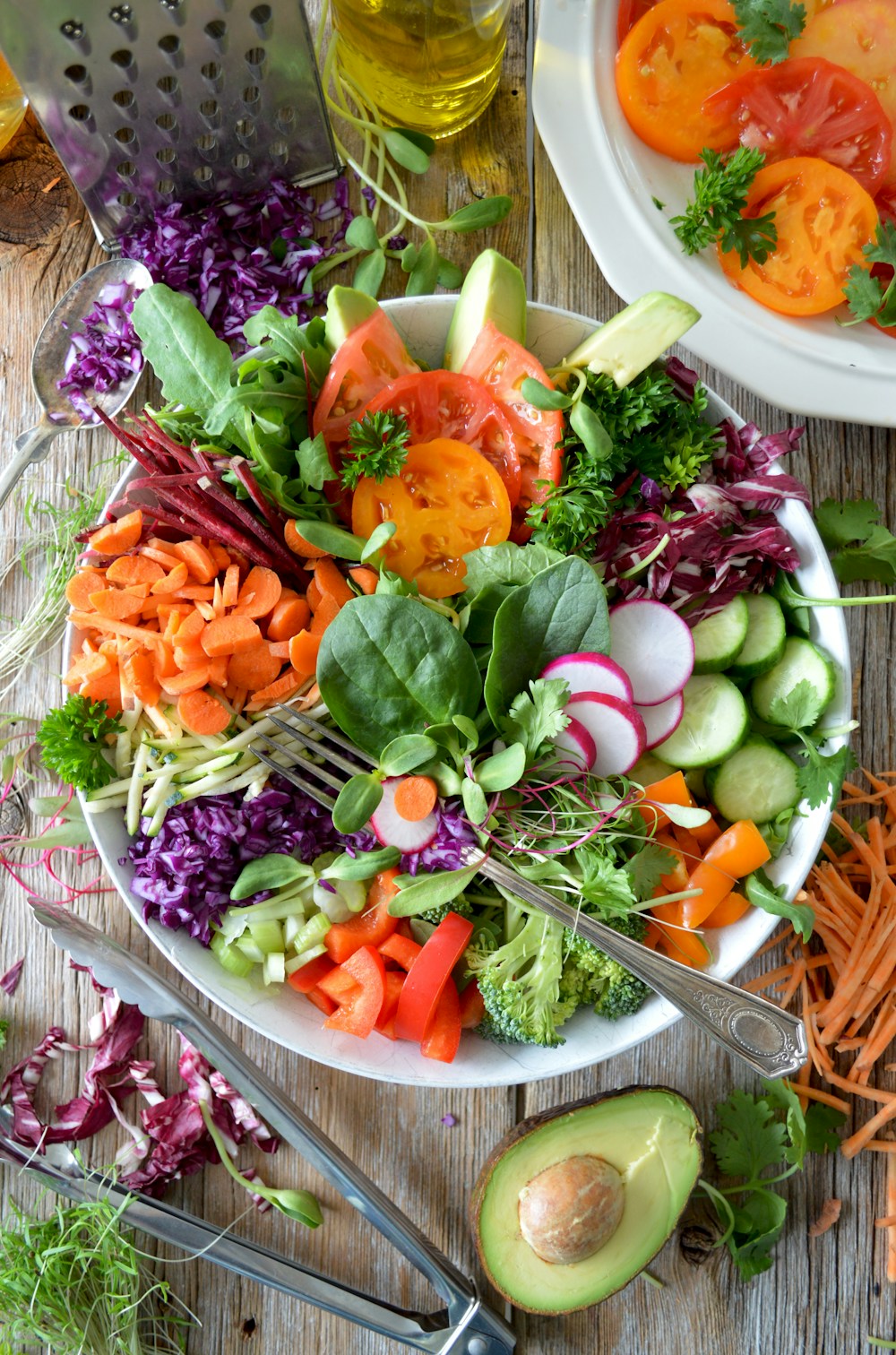
The Metabolic Demands of High-Mileage Endurance Training
Running 60 to 100 miles per week or cycling 15 hours generates enormous quantities of reactive oxygen species (ROS) and pro-inflammatory cytokines such as interleukin-6 (IL-6) and tumor necrosis factor-alpha (TNF-α). While acute oxidative stress stimulates mitochondrial biogenesis, chronic unmitigated inflammation leads to systemic microvascular endothelial damage, particularly in the dense capillary beds of the male lower pelvic basin.
To counteract this cellular degradation without blunting training adaptations, endurance athletes must prioritize targeted bio-active whole foods that modulate cellular signaling pathways (such as Nrf2 and COX-2) rather than megadosing generic synthetic vitamin pills.
Carotenoid Kinetics: The Power of Thermal Cis-Lycopene
Lycopene is the most potent singlet oxygen quencher among all dietary carotenoids, displaying an antioxidant capacity twice that of beta-carotene and tenfold that of alpha-tocopherol. However, consuming raw tomatoes yields minimal athletic benefits because the lycopene is locked in rigid plant cell walls as all-trans-lycopene, which has poor gut absorption.
Simmering crushed San Marzano tomatoes in extra virgin olive oil at 85°C–90°C for 45 minutes converts the straight trans-isomers into curved cis-lycopene. These cis-isomers incorporate into dietary fat micelles with a 300% higher absorption rate, traveling directly to cellular membranes to prevent lipid peroxidation during grueling threshold efforts.
Elemental Zinc Homeostasis & Male Glandular Health
Zinc is an essential trace mineral serving as a catalytic cofactor for over 300 enzymes, including carbonic anhydrase and superoxide dismutase (SOD). Endurance athletes lose significant amounts of zinc through sweat and increased urinary excretion during heavy volume blocks.
Epithelial cells in the male pelvic glandular basin maintain intracellular zinc concentrations up to 10 times higher than peripheral blood serum. When zinc stores are depleted, cellular citrate oxidation becomes dysregulated, leaving pelvic tissues vulnerable to inflammatory swelling and chronic fatigue. Consuming 30 grams of raw or lightly roasted heirloom pumpkin seeds supplies 40% of the recommended daily zinc intake in its natural plant matrix alongside magnesium and phytosterols.
The 24-Hour Endurance Nutrition Blueprint
- Pre-Run Fuel (60 Mins Before): Slow-burning complex carbohydrates (steel-cut oats) with a dash of cinnamon and a glass of water. Avoid high-fiber beans right before high-intensity tempo runs.
- Post-Run Window (Within 45 Mins): 25g of rapidly digesting protein paired with a warm bowl of slow-simmered tomato pomodoro soup with olive oil to flood cellular membranes with bioavailable cis-lycopene.
- Midday Cellular Snack: 30g of lightly roasted pumpkin seeds with a handful of wild blueberries for anthocyanin synergy.
- Dinner Recovery Meal: Wild-caught cold-water salmon or mackerel (high EPA/DHA omega-3s) with steamed Tuscan broccoli florets (active sulforaphane) and quinoa.
These nutritional protocols are shared for educational fitness reference and do not constitute a drug or pharmaceutical treatment. Dietary responses vary based on individual metabolism and training volume. Consult a registered sports dietitian for tailored nutritional planning.